Hedda
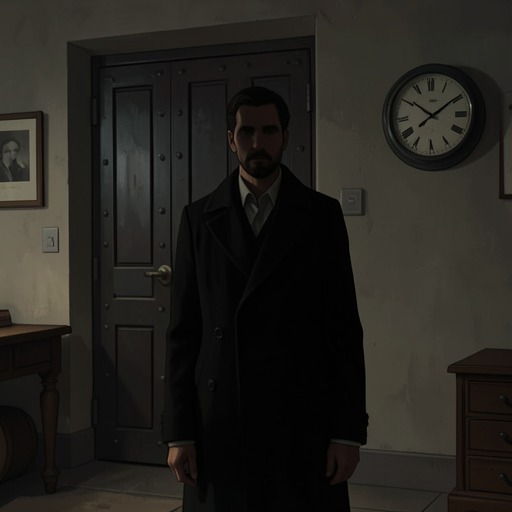
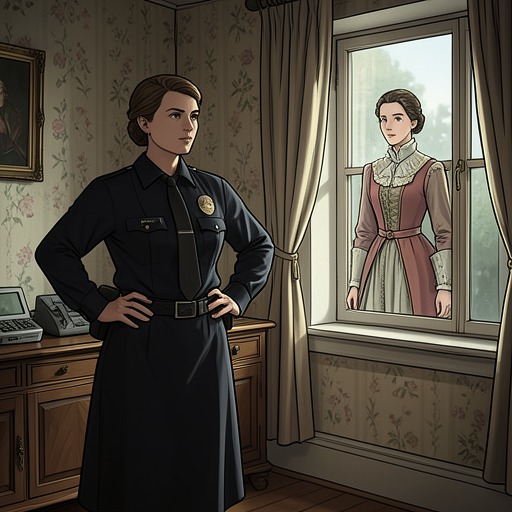
The Glass RoomHedda is the absent figure at the center of Werner Stahl’s account of a marriage shaped by music, family pressure, and devastating loss. Remembered first as a blonde, blue-eyed violinist and later disclosed as Stahl’s first cousin, she was also the mother of their daughter, Erika, who inherited a fatal condition from both parents. Hedda’s suicide and the concealed history of the child overturn Stahl’s earlier version of his past: what had seemed to be a story of a dead wife becomes a confession of shared responsibility, bereavement, and a family illness that science can describe but not cure.
Identity and Background
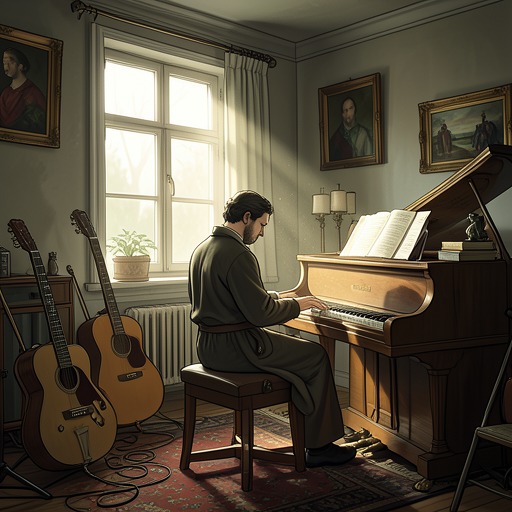
Hedda is introduced through Stahl’s recollection during a conversation with Hana Hanáková. He tells Hana that his former wife was a violinist and that the two of them used to play together at the Munich conservatory. When Hana asks whether they were happy, he remembers a relationship of long familiarity and closeness, extending as far back as they could remember. His description gives their marriage an intimate musical past, but he also says it took place under great pressure from their family.
The pressure arose from their kinship. Only after Hana’s questions does Stahl disclose that Hedda was his cousin, specifically his first cousin. He recalls that people condemned their love as unnatural and called it incest. The disclosure recasts the phrase “our family” in his earlier account: the family was not simply an outside source of disapproval but the structure within which their relationship and its consequences were understood.
Marriage, Music, and Loss
Stahl’s first description of Hedda emphasizes the shared practice that bound them together. They had played music together, and he remembers being very happy with her, while also describing the difficulties that followed their marriage. His account holds affection and pressure side by side: the closeness of a lifelong bond does not spare them from the judgment surrounding their relationship.
Hana asks what happened to the violinist. In the Glass Room, Stahl gives the answer directly: Hedda killed herself. He does not immediately explain the circumstances. The pause before his fuller confession makes the death part of a larger disclosure: he has previously told Hana that there was no child, but acknowledges that this was untrue. He and Hedda had a daughter, Erika. The story of Hedda’s death is therefore inseparable from the child and from the concealment Stahl has maintained.
Erika and the Inherited Illness
Stahl recalls Erika as a beautiful, perfect baby. He says Hedda found in motherhood a fulfillment beyond music, something she had not expected. That happiness gives the subsequent loss its force: the child’s early promise is set against the disease’s progressive effects. The account does not establish a precise cause of Hedda’s suicide, but it places her death within the family’s experience of Erika’s illness and the knowledge that the child could not recover.
Stahl explains that the condition involved an inherited recessive mutation. As he describes it to Hana, a particular kind of fat accumulated in the brain and impaired the nerve cells; the mutation had to be inherited from both parents for the disease to occur. Hedda carried the same mutation as Stahl, which was present in their family and was brought together in their union. Their first-cousin relationship thus becomes medically consequential as well as socially condemned: the illness is not presented as a moral punishment, but as an inherited condition whose transmission the family could not reverse.
The Confession and Its Significance
Hedda never appears in the present-day conversation; she reaches the reader through Stahl’s piecemeal testimony. He initially says that the woman in his past is dead, then tells Hana about his marriage, and only later admits that he and Hedda had a child. Each addition alters the meaning of what came before. The account shifts from bereavement for a wife to the concealed history of a daughter, and from familial disapproval to a genetic explanation for Erika’s illness.
The setting sharpens this contrast. Stahl reveals the irrationality and senselessness of suffering while seated in the Glass Room, surrounded by the instruments and ideals of scientific measurement. His scientific account can name a recessive mutation and explain how it was inherited; it cannot undo Erika’s illness or settle what Hedda’s death meant. Through Hedda’s absence, the narrative makes the limits of explanation felt: knowledge exposes the family’s history, but it offers neither a cure nor a way to restore what has been lost.